
- All
- Product Name
- Product Keyword
- Product Model
- Product Summary
- Product Description
- Multi Field Search
Views: 0 Author: Site Editor Publish Time: 2026-07-05 Origin: Site


When the temperature drops and a chill fills the air, finding the perfect footwear to keep your feet cozy becomes a top priority for many households. The quest for the ideal indoor warm slipper is not just about picking the first fuzzy option you see on a store shelf; it involves a careful consideration of materials, construction, and design. Understanding the pros and cons of different materials used in footwear is essential for maximizing comfort, ensuring durability, and maintaining proper foot health during the colder months. Whether you are lounging in your living room, working from a home office, or stepping out briefly to grab the morning newspaper, the materials encasing your feet play a monumental role in your overall thermal comfort and daily satisfaction.
The evolution of indoor footwear has brought about a massive variety of choices, ranging from traditional natural fibers to advanced synthetic blends. Each material brings its own unique set of advantages and disadvantages to the table. Some prioritize absolute heat retention, while others focus on breathability, moisture-wicking capabilities, or structural longevity. By delving deep into the characteristics of these textiles and fabrics, consumers can make informed decisions that perfectly align with their lifestyle needs, seasonal requirements, and personal aesthetic preferences. This comprehensive guide will explore the myriad of materials utilized in modern slipper manufacturing, breaking down their specific benefits and potential drawbacks.
Selecting the right material for an indoor warm slipper is a decision that goes far beyond mere visual appeal. The fabric that sits against your skin dictates how effectively heat is trapped, how moisture is managed, and how long the footwear will last under regular use. Feet contain a high concentration of sweat glands, meaning that even in cold weather, they can generate significant moisture. If a slipper is made from a material that traps heat but fails to breathe, the result is a damp, uncomfortable environment that can lead to odor and bacterial growth. Conversely, a highly breathable material might not provide enough insulation to keep the winter chill at bay.
Furthermore, the structural integrity of the material determines how well the slipper will support the foot over time. Soft, unstructured fabrics might feel luxurious initially but can quickly flatten out, offering zero support and reducing the cushioning effect between the foot and hard floors. Understanding the delicate balance between insulation, breathability, and structural support is the key to evaluating the pros and cons of different footwear materials.
The performance of an indoor warm slipper is heavily reliant on the specific properties of its constituent materials. Thermal conductivity, for instance, measures how easily heat transfers through a substance. Materials with low thermal conductivity, such as wool and thick fleece, are excellent insulators because they prevent the body heat generated by your feet from escaping into the surrounding cold air. On the other hand, the material's hygroscopic properties—its ability to absorb and release moisture—dictate how dry your feet will remain. Natural fibers typically excel in this area, drawing moisture away from the skin and allowing it to evaporate, whereas some synthetics may trap moisture unless specifically engineered to wick it away.
Durability is another critical performance metric impacted by material choice. Slipper materials are subjected to constant friction, compression, and stretching. Materials like leather and dense boiled wool exhibit remarkable resilience, maintaining their shape and texture even after months of daily wear. In contrast, lighter cottons or low-grade synthetics may pill, tear, or lose their plushness relatively quickly. By examining these performance factors, we can better appreciate why certain materials are favored for specific types of indoor footwear.
Natural fibers have been used in footwear for centuries, prized for their inherent comfort and excellent thermal regulation properties. Derived from animal coats or plant sources, these materials often provide a premium feel and superior performance in specific areas, though they may require more careful maintenance than their synthetic counterparts.
Wool is arguably the most traditional and highly regarded material for winter footwear. Sourced primarily from sheep, wool fibers have a unique crimped structure that creates tiny air pockets. These air pockets trap body heat incredibly effectively, making wool one of the warmest materials available. Additionally, wool is naturally temperature-regulating; it keeps feet warm in the winter but can also prevent overheating in milder conditions. One of wool's greatest advantages is its ability to absorb up to 30% of its weight in moisture without feeling wet to the touch, ensuring feet remain dry and odor-free.
However, wool is not without its drawbacks. High-quality wool slippers can be quite expensive, representing a significant investment compared to synthetic alternatives. Furthermore, wool requires specific care; it typically cannot be tossed into a standard washing machine and dryer without risking shrinkage or felting. Some individuals with sensitive skin may also find certain types of wool to be slightly itchy, though this is usually mitigated by using finer grades like Merino or blending the wool with softer fibers.
Sheepskin takes the benefits of wool a step further by utilizing the entire hide—the leather on one side and the fleece on the other. This dual-layer natural material offers unparalleled luxury and warmth. The dense fleece interior provides exceptional cushioning and insulation, molding to the shape of the wearer's foot over time for a custom fit. The leather exterior acts as a durable, wind-resistant barrier that significantly extends the lifespan of the slipper.
The primary disadvantage of sheepskin is its cost, as it is one of the most expensive materials used in slipper manufacturing. Like wool, it demands specialized cleaning and maintenance to preserve the softness of the fleece and the suppleness of the leather. Sheepskin is also not ideal for wet conditions; if the leather exterior becomes saturated, it can stiffen and degrade upon drying, meaning these slippers are strictly meant for dry environments.
Cotton is a plant-based natural fiber known for its softness, breathability, and ease of care. In the realm of winter slippers, cotton is often used in the form of terry cloth or thick waffle knits. Cotton is highly absorbent and exceptionally gentle on the skin, making it an excellent choice for individuals with allergies or sensitivities to animal fibers. It is also highly durable in terms of washing; cotton slippers can usually be machine washed and dried with ease, ensuring optimal hygiene.
The main drawback of cotton as a winter slipper material is its lack of insulation. While a thick cotton terry might take the edge off a cool floor, it cannot compete with wool or sheepskin in terms of heat retention. Furthermore, while cotton absorbs moisture well, it does not wick it away or dry quickly. If a cotton slipper becomes damp from sweat, it tends to stay damp, which can lead to a cold, clammy feeling on the feet.
Advancements in textile manufacturing have led to the widespread use of synthetic materials in indoor footwear. These engineered fabrics are designed to mimic the best qualities of natural fibers while often addressing issues like cost, weight, and ease of maintenance. Synthetics dominate the modern slipper market due to their versatility and affordability.
Synthetic fleece, typically made from polyester, is engineered to replicate the insulating properties of wool at a fraction of the cost. Fleece is incredibly soft, lightweight, and provides immediate, noticeable warmth the moment you slip your foot inside. It is highly hydrophobic, meaning it repels water and dries very quickly. Fleece is also exceptionally easy to care for, usually surviving countless trips through the washing machine without losing its shape or vibrant color.
The downside to synthetic fleece is its breathability. Because it is essentially made from plastic fibers, it does not allow air to circulate as freely as natural wool or cotton. This can cause feet to overheat and sweat, and since the material does not absorb moisture well, that sweat can pool inside the slipper, leading to odor issues over time. Additionally, lower-quality fleece is prone to pilling, where friction causes the fibers to ball up and lose their plush texture.
Faux fur is another popular synthetic option, utilized primarily for its luxurious appearance and ultra-soft tactile feel. Made from blends of acrylic and polyester, faux fur provides a glamorous aesthetic and excellent initial warmth. It is widely used as a lining material to create a cozy, inviting interior.
However, faux fur shares many of the same drawbacks as synthetic fleece regarding breathability and moisture management. It can trap heat too effectively, leading to sweaty feet. Furthermore, faux fur tends to mat down and lose its loft faster than natural sheepskin. Once the synthetic fibers become flattened by the constant pressure of the foot, they lose much of their insulating capability and aesthetic appeal, and they are difficult to restore to their original fluffy state.
While often associated with outdoor footwear, leather and suede play a crucial role in the construction of high-quality indoor slippers. These materials are typically used for the exterior upper of the slipper, providing structure, durability, and a sophisticated appearance.
Leather is renowned for its exceptional durability and longevity. A slipper with a leather exterior can withstand years of daily wear, resisting punctures, tears, and abrasions far better than fabric alternatives. Leather also possesses a unique ability to stretch and conform to the specific contours of the wearer's foot, resulting in an incredibly comfortable, personalized fit over time. Additionally, smooth leather is relatively easy to wipe clean and provides a natural barrier against minor spills or drafts.
On the negative side, leather is not inherently warm on its own, which is why it must be paired with a warm lining (such as plush, wool, or fleece) to function effectively as winter footwear. Leather slippers also tend to be heavier and stiffer initially, requiring a break-in period before they reach maximum comfort. They are also generally more expensive than synthetic or cotton options.
Suede is a type of leather with a napped, fuzzy finish. It offers a softer, more relaxed aesthetic compared to smooth leather and is highly favored for its flexibility and comfort right out of the box. Suede provides excellent breathability while still offering a strong, durable exterior structure for the slipper.
The primary disadvantage of suede is its susceptibility to stains and water damage. The textured surface easily traps dirt and absorbs liquids, making it difficult to clean without specialized suede brushes and erasers. Wearing suede slippers in a kitchen where spills are common, or stepping outside onto wet grass, can quickly ruin the appearance of the material.
The material used for the sole of the slipper is just as important as the upper and lining. The sole dictates where the slipper can be worn, how much support it provides, and how safe it is on slippery indoor surfaces like hardwood or tile.
Soft soles are typically made from suede, leather, or fabric with gripping dots. They are incredibly lightweight, flexible, and quiet on hard floors. Soft-soled slippers are ideal for pure indoor lounging, curling up on the couch, or wearing in bed. However, they offer virtually zero arch support or shock absorption, and they cannot be worn outside, even for a moment, without risking damage to the material.
Hard soles are usually constructed from rubber, thermoplastic rubber (TPR), or ethylene-vinyl acetate (EVA). These materials provide excellent traction, preventing slips and falls on smooth surfaces. They also offer a barrier against cold floors and provide structural support for the foot. The major advantage of a hard rubber or EVA sole is versatility; it allows the wearer to step outside to grab the mail or take out the trash without changing shoes. The downside is that hard soles can be noisy on hard floors, are heavier, and may feel too rigid for those who prefer a barefoot feel.
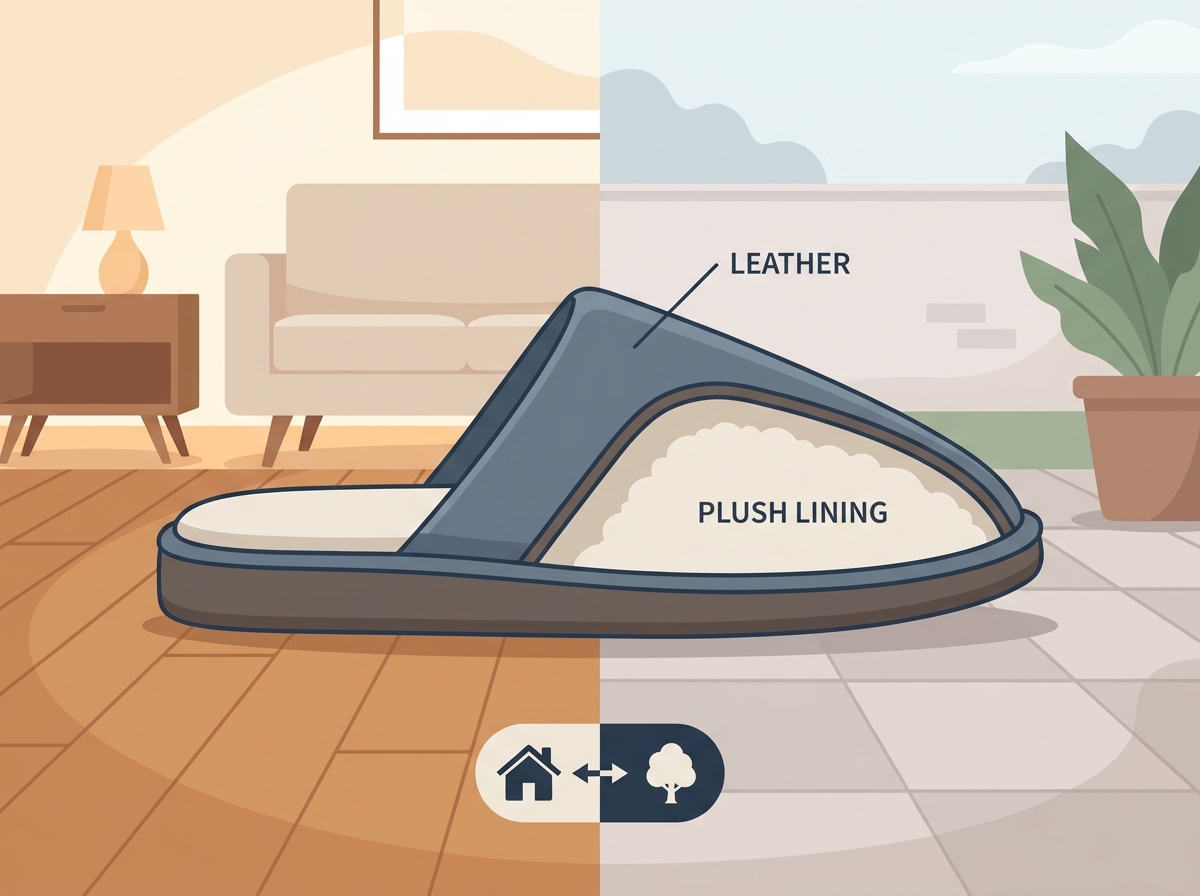
When examining how different materials come together to create a functional and stylish piece of footwear, the YQ Leather plush slippers serve as an excellent example. Identified by the model number JXJB-20710, these slippers utilize a combination of materials to achieve a balance of comfort, durability, and versatility.
The design of these slippers features a plush lining for interior softness. This material choice ensures that the foot is immediately enveloped in warmth, providing the cozy insulation necessary for colder environments. By focusing on a soft interior, the manufacturer addresses the primary need for comfort in winter footwear. Furthermore, these slippers are designed as a unisex slipper, making them a versatile option for any household member. It is worth noting a minor data quality warning regarding the source text for this product, which contained a typo listing the gender specification as 'Uniex' instead of the intended 'Unisex'.
Aesthetically and practically, the YQ Leather plush slippers offer significant variety, as they are available in 9 different colors. This allows consumers to choose a style that matches their personal preference or loungewear wardrobe. Manufactured in China, these slippers are available in sizes 35 to 46, accommodating a wide range of foot dimensions. The construction and material choices mean they are specifically designed for Winter and Autumn seasons, providing the necessary thermal retention when the weather turns cold.
One of the standout aspects of these slippers is their functional versatility. Because of their specific construction, they are suitable for both indoor and outdoor use. This dual-purpose capability is highly sought after, as it eliminates the need to constantly switch footwear when moving between the house and the immediate exterior. Consequently, they are appropriate for home wear, travel, and family gatherings, adapting easily to various casual environments. When purchased, each package contains 1 pair of slippers in a PP bag, ensuring they arrive clean and protected.
Ultimately, the best material for your indoor footwear depends entirely on your specific needs, living environment, and personal preferences. There is no single "perfect" material, but rather the right material for the right situation. By carefully weighing the pros and cons outlined above, you can narrow down your choices and find a slipper that will provide lasting comfort and satisfaction.
If you live in a region with extremely harsh winters and your home has drafty hardwood or tile floors, prioritizing maximum insulation is crucial. In this scenario, natural wool, thick sheepskin, or heavy synthetic fleece with a thick rubber sole will provide the necessary barrier against the cold. The dense fibers will trap heat, while the thick sole will elevate your foot away from the freezing floor surface.
Conversely, if you live in a milder climate or an apartment that is consistently well-heated, a heavy sheepskin slipper might cause your feet to overheat and sweat uncomfortably. In this case, a breathable cotton terry slipper, a light microfiber, or an unlined suede moccasin would be a much more appropriate choice, providing just enough coverage to keep the chill off without causing excessive warmth.
How you intend to use the slippers should heavily influence your material choice. If your routine involves waking up, putting on slippers, and immediately heading to the kitchen to cook breakfast, you need a material that can withstand potential spills and drops. A smooth leather exterior with a rubber sole is easy to wipe clean and provides safe traction on kitchen floors. A delicate suede or fluffy faux fur exterior would quickly become stained and matted in a culinary environment.
If you frequently transition between indoors and outdoors—perhaps taking a dog for quick walks in the yard, checking the mailbox, or relaxing on a patio—a durable exterior material and a sturdy, waterproof sole are non-negotiable. Soft-soled fabric slippers will absorb moisture from the ground and wear out rapidly if used outside. On the other hand, if your slippers are strictly for transitioning from the bath to the bed, a soft-soled, highly absorbent cotton material is ideal.
Finally, be realistic about how much time and effort you are willing to invest in maintaining your footwear. If you prefer convenience and want to be able to throw your slippers in the washing machine every few weeks, synthetic fleece or cotton are the best options. These materials are generally robust enough to handle standard laundering cycles.
If you are willing to invest in premium materials like wool, sheepskin, or high-quality leather, you must also be prepared to care for them properly. This means spot-cleaning stains, using specialized leather conditioners or suede brushes, and avoiding harsh detergents or high-heat drying. While these natural materials require more upkeep, their superior durability and comfort often make the extra effort worthwhile in the long run.
The YQ Leather plush slippers (Model Number: JXJB-20710) represent a highly practical footwear solution, combining a plush lining for interior softness with a versatile unisex design available in 9 different colors and sizes 35 to 46. Manufactured in China and specifically designed for the Winter and Autumn seasons, these slippers deliver exceptional value by being suitable for both indoor and outdoor use, making them highly appropriate for home wear, travel, and family gatherings, with each package conveniently containing 1 pair in a PP bag.


